Quick read
IMSB lives between reckless hope and immediate self-criticism. One inner voice screams 'Go for it,' while another writes a whole thesis on why that would be humiliating, and both refuse to sit down.

Wait. Seriously? Am I actually that dumb?
Quick read
IMSB lives between reckless hope and immediate self-criticism. One inner voice screams 'Go for it,' while another writes a whole thesis on why that would be humiliating, and both refuse to sit down.
Type guide
IMSB is one of the most internet-native SBTI results: self-roasting, emotionally exposed, ready to hope and ready to self-destruct almost at the same time. This isn't just low confidence. It is a recognizable oscillation between wanting validation, wanting momentum, and preemptively insulting yourself before reality gets the chance.
Why this match happens
People often land on IMSB when their answers combine self-doubt, emotional sensitivity, relational investment, and action hesitation. The result is not zero ambition, but ambition that keeps getting interrupted by an inner critic with perfect timing and terrible bedside manner.
Quick read
IMSB lives between reckless hope and immediate self-criticism. One inner voice screams 'Go for it,' while another writes a whole thesis on why that would be humiliating, and both refuse to sit down.
This type's 15-dimension fingerprint
Self Model
S1 Self-worth & Confidence
You are harder on yourself than most people are, and praise rarely lands cleanly.
Self Model
S2 Self-clarity
You often feel blurry about who you really are or what you really want.
Self Model
S3 Core Values
You care about a few things deeply, even if the pull is not always steady.
Emotion Model
E1 Attachment Security
Small signals can make you brace for abandonment or betrayal.
Emotion Model
E2 Emotional Investment
You do invest, just with one eye still on the exit.
Emotion Model
E3 Boundaries & Dependence
You want connection and space in roughly equal measure.
Attitude Model
A1 Worldview Bias
You look at the world with more suspicion than innocence.
Attitude Model
A2 Rules & Flexibility
Rules feel negotiable, and improvisation often feels more alive.
Attitude Model
A3 Sense of Meaning
Life can feel random, mechanical, or stripped of larger meaning.
Action Model
Ac1 Motivational Direction
Avoiding damage often comes before chasing gains.
Action Model
Ac2 Decision Style
Decision-making can stretch out because you want more certainty or more time.
Action Model
Ac3 Execution Pattern
Plans often stay in your head longer than they stay in motion.
Social Model
So1 Social Initiative
If someone opens the door, you can walk through it, but you do not always kick it open.
Social Model
So2 Interpersonal Boundaries
You are more willing to let trusted people come close and stay close.
Social Model
So3 Expression & Authenticity
You adjust your expression depending on the room, but not completely.
Five model groups
S1 · S2 · S3
Looks at how stable your self-evaluation is, whether you know yourself clearly, and whether something inside you truly matters. For IMSB (The Self-Roaster), the recurring pattern usually reads: S1 Self-worth & Confidence runs low, S2 Self-clarity runs low, S3 Core Values runs mid-range.
Self Model
S1 Self-worth & Confidence
You are harder on yourself than most people are, and praise rarely lands cleanly.
Self Model
S2 Self-clarity
You often feel blurry about who you really are or what you really want.
Self Model
S3 Core Values
You care about a few things deeply, even if the pull is not always steady.
E1 · E2 · E3
Looks at whether you feel anxious or secure in relationships, how deeply you invest, and how much independence you need. For IMSB (The Self-Roaster), the recurring pattern usually reads: E1 Attachment Security runs low, E2 Emotional Investment runs mid-range, E3 Boundaries & Dependence runs mid-range.
Emotion Model
E1 Attachment Security
Small signals can make you brace for abandonment or betrayal.
Emotion Model
E2 Emotional Investment
You do invest, just with one eye still on the exit.
Emotion Model
E3 Boundaries & Dependence
You want connection and space in roughly equal measure.
A1 · A2 · A3
Looks at how you see the world, rules, and meaning: cautious and orderly, or flexible and impulsive. For IMSB (The Self-Roaster), the recurring pattern usually reads: A1 Worldview Bias runs low, A2 Rules & Flexibility runs low, A3 Sense of Meaning runs low.
Attitude Model
A1 Worldview Bias
You look at the world with more suspicion than innocence.
Attitude Model
A2 Rules & Flexibility
Rules feel negotiable, and improvisation often feels more alive.
Attitude Model
A3 Sense of Meaning
Life can feel random, mechanical, or stripped of larger meaning.
Ac1 · Ac2 · Ac3
Looks at whether you move toward growth or away from risk, how decisive you are, and whether your plans actually land. For IMSB (The Self-Roaster), the recurring pattern usually reads: Ac1 Motivational Direction runs low, Ac2 Decision Style runs low, Ac3 Execution Pattern runs low.
Action Model
Ac1 Motivational Direction
Avoiding damage often comes before chasing gains.
Action Model
Ac2 Decision Style
Decision-making can stretch out because you want more certainty or more time.
Action Model
Ac3 Execution Pattern
Plans often stay in your head longer than they stay in motion.
So1 · So2 · So3
Looks at whether you approach people actively, how strong your boundaries are, and how authentic you stay across relationships. For IMSB (The Self-Roaster), the recurring pattern usually reads: So1 Social Initiative runs mid-range, So2 Interpersonal Boundaries runs low, So3 Expression & Authenticity runs mid-range.
Social Model
So1 Social Initiative
If someone opens the door, you can walk through it, but you do not always kick it open.
Social Model
So2 Interpersonal Boundaries
You are more willing to let trusted people come close and stay close.
Social Model
So3 Expression & Authenticity
You adjust your expression depending on the room, but not completely.
Result FAQ
Result FAQ
Insecurity is part of it, but IMSB is more specific than that. It includes self-mockery, anticipatory shame, and a weirdly active desire to try anyway.
Result FAQ
Because it names familiar micro-moments: doubting yourself before you begin, joking about your own failure in advance, and caring far more than you want other people to notice.
Result FAQ
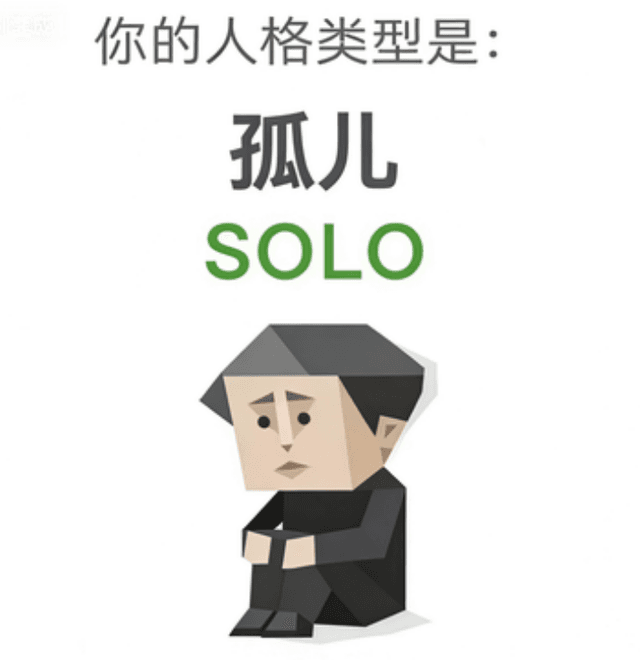
There is overlap. SOLO leans more avoidant, IMFW leans more fragile-dependent, and IMSB leans more self-dragging while still wanting movement and validation.
Result FAQ
Treat it as a map of self-interruption. The real issue may be less about lacking ability and more about how early your inner attack voice enters the conversation.
Compare More
Keep browsing
More Entry Points
More Entry Points
Jump straight into the sbti test and get your personality result.
More Entry Points
Use the full directory to compare every result page in one place.
More Entry Points
Read the test logic, five model groups, and result-page guide.
More Entry Points
Continue into the sitewide distribution and leaderboard preview page.